Free Shipping on all orders of $50 or more! <3

Post 7: The Ultimate Guide to Smelling Salts: Science, Safety, and Performance
Here is the ultimate guide to smelling salts
2/15/20264 min read
For decades, the sharp, pungent scent of ammonia has been a staple in the gym bags of powerlifters, the locker rooms of NHL teams, and the sidelines of NFL games. Often referred to as "ammonia inhalants," smelling salts are used by elite athletes to find a "second wind" or an explosive edge before a maximal effort.
Despite their ubiquity in high-stakes sports, smelling salts remain misunderstood by the general public. Are they a dangerous drug, a placebo, or a legitimate physiological tool? This guide explores the deep science, historical context, and safety protocols of smelling salts.
1. What Are Smelling Salts?
At their core, smelling salts are chemical compounds—usually a mixture of ammonium carbonate and perfume. When these salts are agitated or "cracked" (in the case of single-use capsules), they release ammonia gas ($NH_3$).
The History of the "Vapors"
The use of smelling salts dates back to Roman times, where they were known as Hammoniacus sal. During the Victorian era, they were a common household item, primarily used to "revive" women who had fainted due to restrictive corsets or "the vapors." In the modern era, the focus shifted from reviving the unconscious to "priming" the conscious athlete.
2. The Science: How Do They Work?
Smelling salts do not work through the bloodstream like caffeine or pre-workout supplements. Instead, they trigger a mechanical and neurological reflex.
The Inhalation Reflex
When a person inhales ammonia gas, it irritates the membranes of the nose and lungs. This irritation triggers the inhalation reflex, causing a sudden, rapid inhalation of breath. This rapid intake of air increases the heart rate and clears the "mental fog" associated with fatigue.
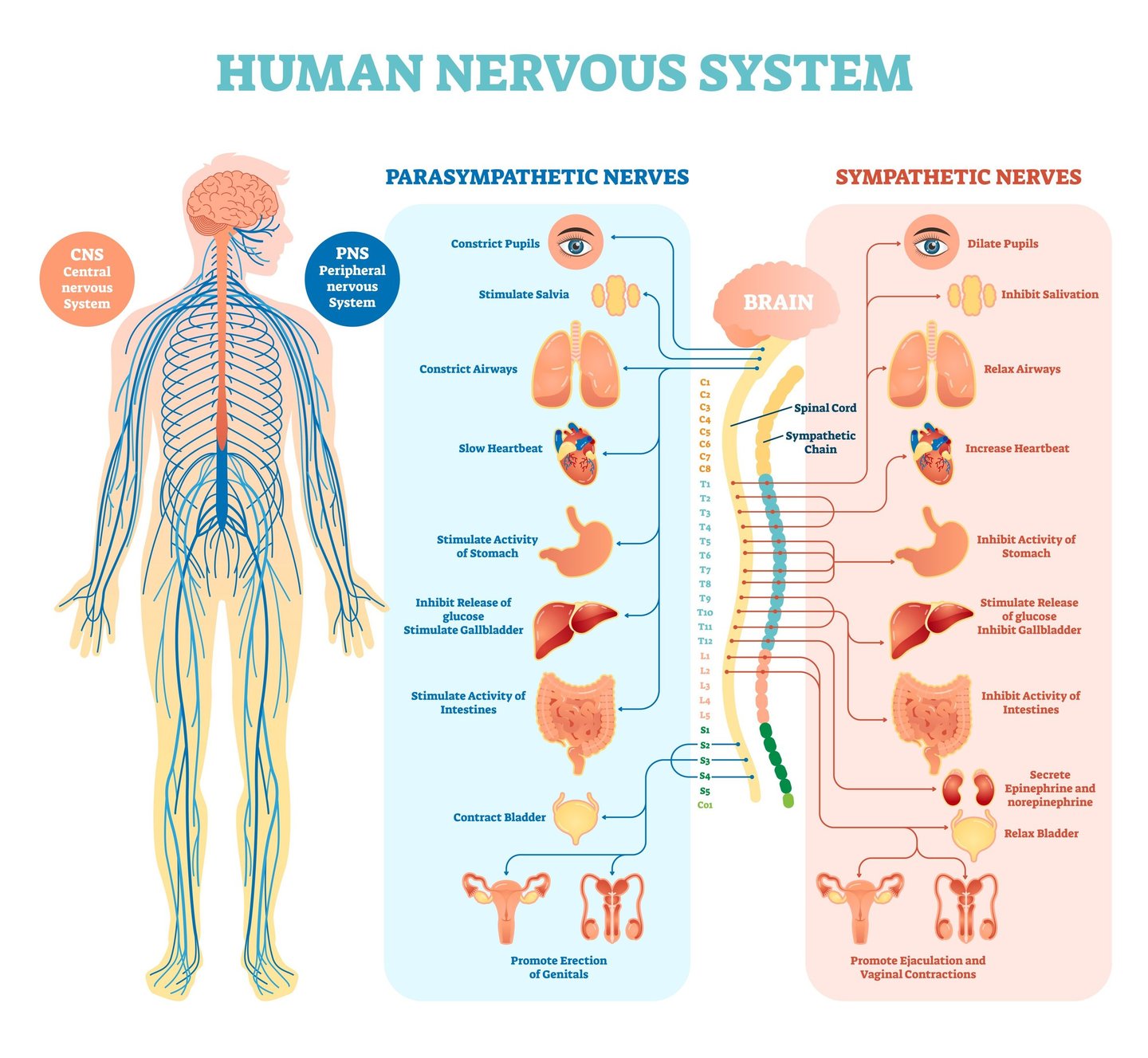
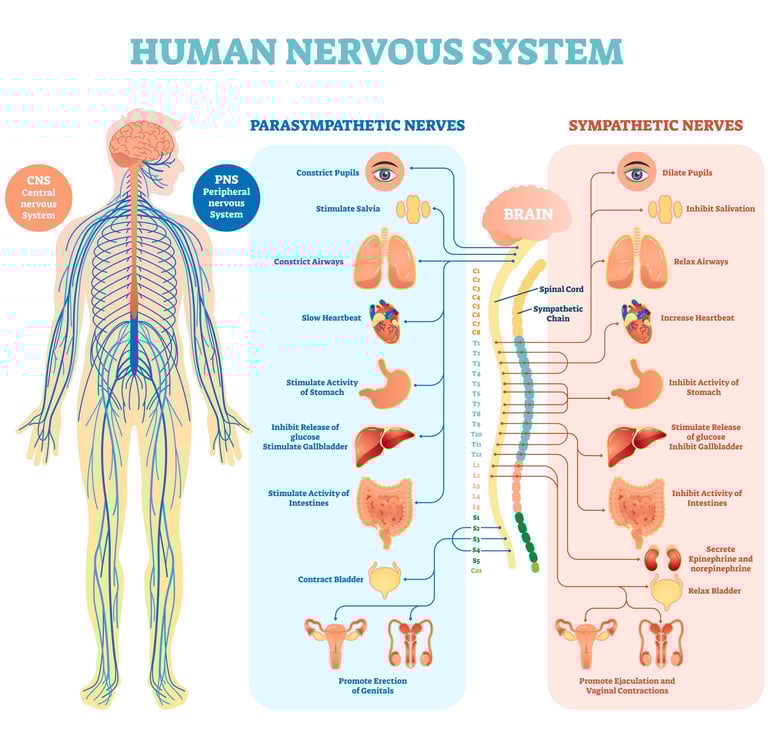
The Sympathetic Nervous System (SNS)
The primary mechanism behind the "kick" is the activation of the sympathetic nervous system—the body's "fight or flight" response.
Ammonia Irritation: The gas hits the trigeminal nerve.
Adrenaline Surge: The brain perceives the irritation as a threat, triggering the adrenal glands.
Physiological Response: This results in:
Increased heart rate.
Increased blood pressure.
Heightened sensory perception.
Improved focus and "tunnel vision."
3. Smelling Salts in Performance Sports
In sports requiring absolute maximal force production, such as powerlifting, strongman, or Olympic lifting, the psychological state of the athlete is as important as their physical strength.
Powerlifting and Strongman
For a 1-rep max (1RM) attempt, an athlete must recruit as many motor units as possible. The adrenaline surge provided by smelling salts can help bridge the gap between "gym strength" and "competition performance." It masks the body's natural inhibitory signals, allowing for a more aggressive drive.
Contact Sports (Hockey and Football)
In the NHL and NFL, players often use smelling salts to "wake up" between shifts or after a grueling play. It provides a momentary reset, increasing alertness in an environment where split-second decisions are critical.
4. Safety and Potential Risks
While generally considered safe when used correctly, smelling salts are not without risks.
Proper Distance
Never place a bottle or capsule directly against the nostrils. The gas is caustic. The ideal distance is 4 to 6 inches away from the nose.
The "Concussion Masking" Danger
The most significant medical risk associated with smelling salts is their use following a head injury.
Warning: Smelling salts should never be used to revive a person suspected of having a concussion. The "jolt" can mask neurological symptoms, and the sudden head movement caused by the inhalation reflex can exacerbate neck injuries.
Respiratory Sensitivity
Individuals with asthma or chronic respiratory issues should avoid ammonia inhalants, as the gas can trigger bronchial spasms.
5. Types of Smelling Salts (EDIT THIS LATER)
Not all salts are created equal. The market has evolved from simple medical "crushables" to high-potency "bottled" salts.
Type Single-useLow to MediumBeginners / Medical use
Duration
PotencyBest
ForAmpules/CapsulesDry Bottled SaltsMonthsHighPowerlifting / StrongmanWet/Activated SaltsWeeksExtremely HighElite Athletes
6. How to Use Smelling Salts Effectively
To maximize the benefit while minimizing the "burn," follow these steps:
The Setup: If using a bottle, shake it briefly to move the gas to the top.
The Distance: Hold the bottle 6 inches from your face.
The Inhale: Take a short, sharp sniff—not a long, deep breath.
The Execution: You have a window of roughly 30 to 60 seconds of peak neurological arousal. Use it immediately for your lift or play.
7. Myths vs. Reality
Myth: Smelling salts make you stronger.
Reality: They do not increase muscular capacity; they increase your ability to access the strength you already have.
Myth: You can get addicted to them.
Reality: There is no chemical addiction, though some athletes develop a psychological "ritual" dependency.
Myth: They are illegal in competition.
Reality: Most major federations (IPF, USAPL, NFL, NHL) allow them, though some individual referees may request you use them off the platform.
8. Storage and Longevity
Ammonia gas is volatile. To keep your salts "hot":
Seal it tight: Ensure the cap is threaded correctly after every use.
Temperature control: Store in a cool, dry place. Heat causes the gas to expand and leak, weakening the potency.
The "Water Trick": Some dry salts require a few drops of water to activate. Be careful not to over-saturate, or you will drown the reaction.
9. Conclusion: A Tool, Not a Crutch
Smelling salts are an effective physiological "reset button." For the powerlifter staring down a 500lb deadlift or a hockey player entering the third period, that sharp jolt of ammonia can be the difference between hesitation and execution.
However, they are not a substitute for proper sleep, nutrition, or training. Use them sparingly, use them safely, and respect the potency of the "trash."
BEAST COAST BARBELL
We're available via email and all social channels. Expect a response within 24 hours.
Contact us:
SIGN UP FOR OUR Newsletter
© 2024. All rights reserved.